
The Story Behind Play On Pickle
- From the Founder and CEO
Play on Pickle was born from personal experience
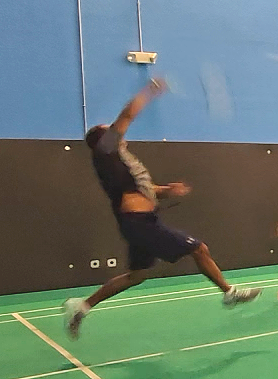
As a young athlete, I was a competitive badminton player. At my peak, my body responded effortlessly — bending, pivoting, lunging, and accelerating with intensity to win every point. Movement was instinctive. Performance was natural.
Twenty-five years later, while the competitive mindset remained, my body told a different story.
Over the past five years, I experienced a series of serious overuse injuries — tennis and golfer’s elbow, shoulder impingement, Achilles rupture, and stress fractures. Each injury followed a familiar pattern: excessive strain, followed by months of rest, physical therapy, and rehabilitation. For an active athlete, losing three months of play each year is not just physically limiting — it takes a profound toll on mental well-being.
Determined to break this cycle, I began studying movement science, strength training, and injury prevention. I researched extensively and developed a disciplined conditioning regimen focused specifically on strengthening overused muscles, stabilizing joints, and improving structural resilience.
The results were transformative. My fitness levels improved significantly, my performance on the court became stronger and more consistent, and most importantly — the injuries stopped.
The Pickleball Opportunity — and the Hidden Risk
At the same time, pickleball was experiencing explosive global growth. Its accessibility and fast learning curve made it easy for players of all ages to step onto the court and quickly enjoy competitive rallies.
However, this rapid rise in participation has been accompanied by a significant increase in injuries worldwide. As adoption of the sport has grown exponentially, so too have reports of overuse injuries, tendon strains, stress fractures, and joint issues. What was once a niche sport has quickly become a global movement — and injury rates have risen alongside it.
I began noticing this pattern firsthand.
Friends, colleagues, and fellow players were repeatedly sidelined by preventable injuries — often caused by improper conditioning for the demands of the sport. The very activity meant to promote health and longevity was being interrupted by avoidable physical setbacks.
I knew there had to be a better way to help players stay active, resilient, and injury-free.
The Vision for Play on Pickle
Play on Pickle was created to bridge the gap between movement and prevention.
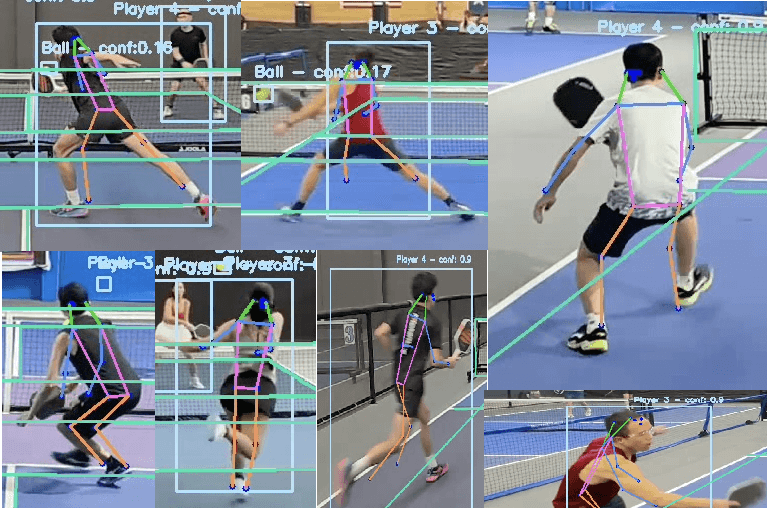
Using cutting-edge computer vision AI technology, Play on Pickle analyzes foundational movement patterns — bending, lunging, hopping, jumping, pivoting, arm swings, and more. It intelligently categorizes movement intensity (high, medium, or low) and maps these patterns to the muscles, joints, and skeletal structures being stressed.
The system is trained on extensive fitness and biomechanical knowledge, allowing it to recommend targeted strengthening and conditioning exercises designed to support and protect the body.
After rigorous development, training, and testing, Play on Pickle is built to serve one clear purpose:
To help pickleball players stay strong, prevent injuries, and enjoy the game at their best — for years to come.